Currently Empty: R0.00

Emergency Water Safety: How to Prepare for Natural Disasters
Introduction
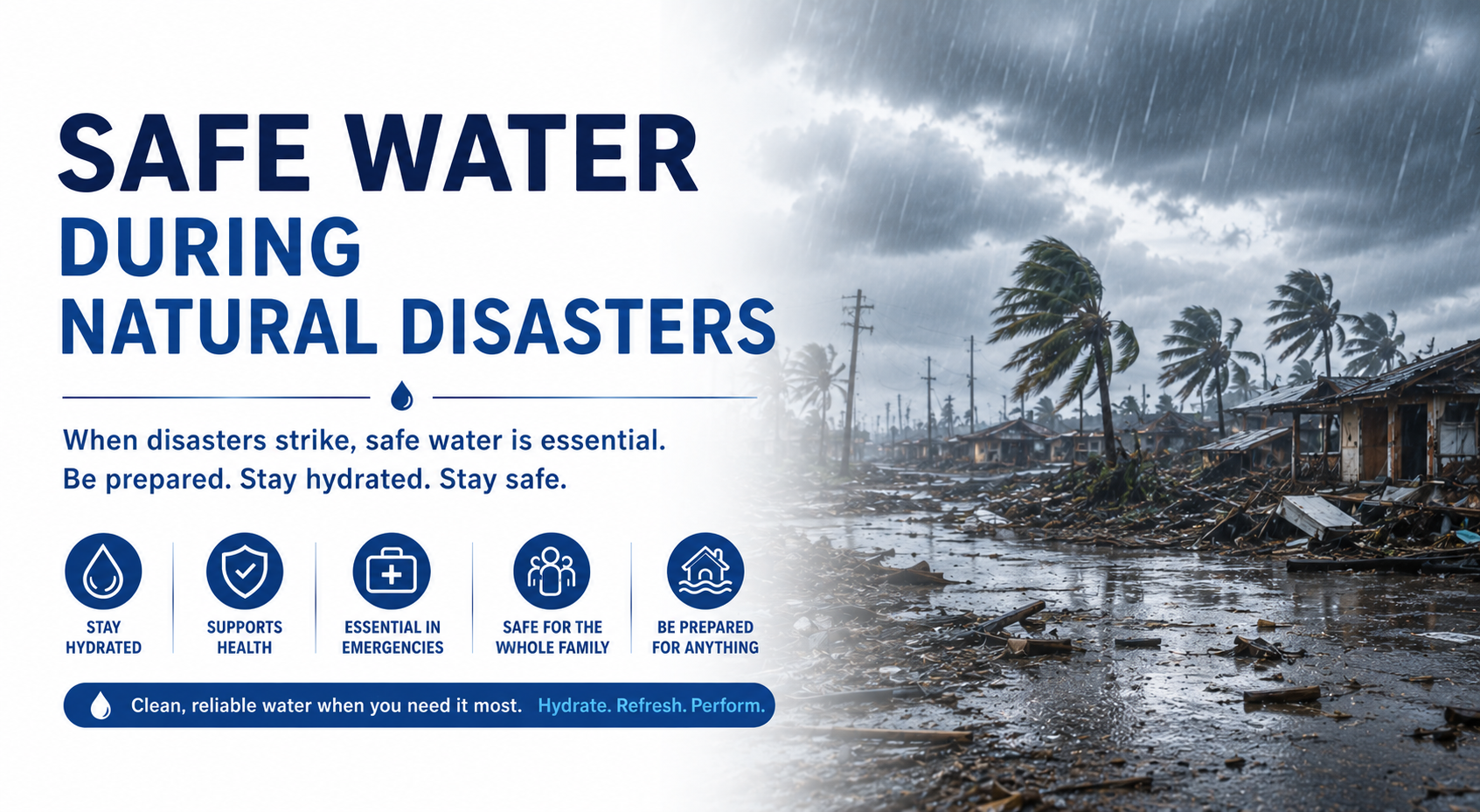
Emergency water safety should be a priority for every household and business. Natural disasters such as floods, storms, fires, and earthquakes can damage water infrastructure and contaminate drinking water supplies. Preparing in advance with the right water treatment and storage solutions helps ensure access to clean, safe water when emergencies occur.
Why Emergency Water Safety Matters
Flooding, damaged pipelines, and power outages can all affect drinking water quality. Contaminated water may contain bacteria, viruses, parasites, or harmful chemicals that pose serious health risks.
Planning ahead reduces these risks and helps protect your family or business during unexpected events.
Emergency Water Storage Tips
A reliable emergency water supply is essential during disasters.
Follow these recommendations:
- Store at least three days’ worth of drinking water.
- Allow approximately four litres per person per day.
- Use food-grade containers with secure lids.
- Rotate stored water every six to twelve months.
Proper storage keeps water safe until it is needed.
Emergency Water Purification Methods
If stored water runs out, purification becomes essential.
Effective options include:
- Reverse osmosis systems
- UV water purification
- Portable water filters
- Boiling water
- Approved water disinfectants
The best solution depends on your available water source and the contaminants present.
Protect Your Drinking Water
Safe storage is just as important as treatment.
To reduce contamination:
- Keep containers tightly sealed.
- Store water in a cool, shaded place.
- Use clean utensils when dispensing water.
- Never reuse containers that previously held chemicals.
These simple steps help maintain drinking water quality during emergencies.
Check Water Quality After a Disaster
Even after municipal services return, water may not be immediately safe.
Inspect your water for:
- Cloudiness
- Unusual colour
- Strong odours
- Visible sediment
If you have concerns, filter and disinfect the water before drinking or follow advice from your local water provider.
Water Treatment Systems for Emergency Preparedness
Installing a quality water treatment system provides extra protection before, during, and after natural disasters.
Benefits include:
- Cleaner drinking water
- Reduced bacteria and contaminants
- Protection for plumbing and appliances
- Reliable treatment for borehole and rainwater supplies
- Greater confidence during emergencies
Professional water testing can help determine the most suitable filtration system for your property.
Final Thoughts on Emergency Water Safety
Preparing for natural disasters starts with emergency water safety. By storing clean water, using reliable purification methods, and maintaining an effective filtration system, you can protect your household or business when normal water supplies are disrupted.
Planning today helps ensure safe drinking water when it matters most.